What Is a Walking-Working Surface?
A walking-working surface is any place where a worker walks or performs job duties.
Examples:
- Roofs
- Floors
- Platforms
- Catwalks
- Ladders
- Stairways
- Equipment surfaces
OSHA defines it as any surface through which an employee walks or gains access to a work area.
OSHA’s Subpart D — Walking-Working Surfaces
OSHA Subpart D covers rules for:
- Slip and trip hazards
- Safe access and exits
- Ladders and stairs
- Guardrails and barriers
- Fall protection systems
These standards aim to reduce injuries caused by slips, trips, and falls.
Key Requirements for Working at Height
OSHA requires employers to:
✔ Provide fall protection near edges
✔ Ensure surfaces can support loads
✔ Keep areas clean and hazard-free
✔ Provide safe access routes
✔ Inspect surfaces regularly
Surfaces must be maintained in safe condition and able to support intended loads.
Roof Work and Edge Protection
Workers near roof edges must be protected from falling. Protection methods may include:
- Guardrail systems
- Personal fall arrest systems
- Travel restraint systems
- Safety nets
OSHA requires fall protection when working close to unprotected edges.
Inspection and Maintenance Requirements
Employers must inspect walking-working surfaces regularly and fix hazards.
Examples of hazards:
- Corrosion
- Loose materials
- Slippery conditions
- Structural damage
- Missing guardrails
Surfaces must be inspected and maintained to remain safe.
Why This Matters for Building Owners
Make this buyer-focused.
If contractors work on your building:
- Unsafe surfaces create liability
- Missing anchors increase risk
- OSHA violations can be costly
- Inspections help protect everyone
Building owners should ensure their roofs and anchors are safe before allowing work.
Common Walking-Working Surface Violations
❌ Unprotected roof edges
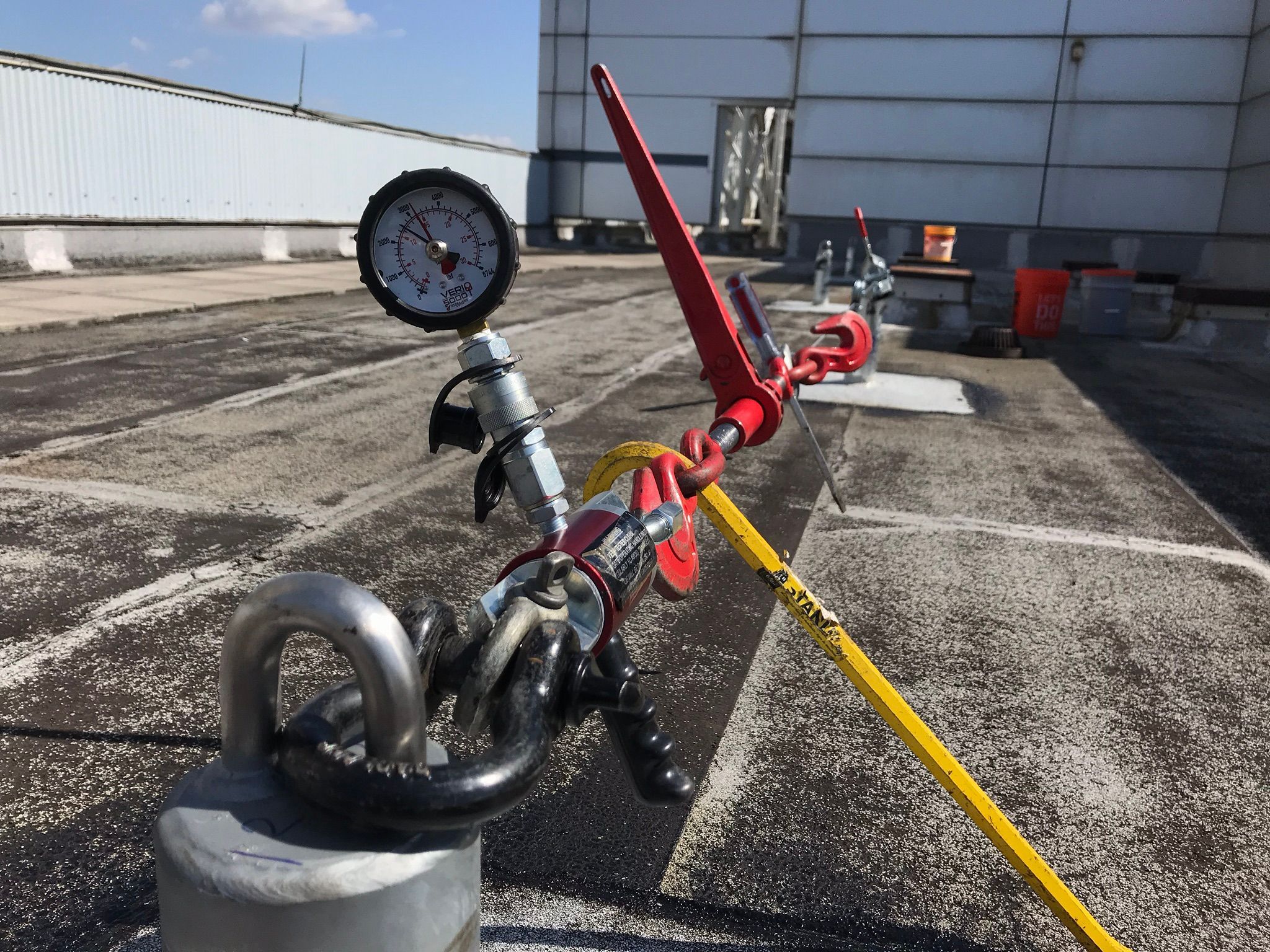
❌ Damaged or corroded anchors
❌ Missing guardrails
❌ Unsafe ladders or access points
❌ Slippery or cluttered surfaces
Important things to know, review more articles OSHAs
OSHA’s – 1910.22 General Requirements
OSHA Recognized 3-Levels of Skill- Work at Height
Important Definitions per OSHA
OSHA’s – 1910.140 Personal Fall Protection Systems
OSHA’s – 1910.29 Fall Protection Systems & Falling Object Protection- Criteria and Practices
OSHA’s – 1910.28 Duty to have Fall Protection & Protection from Falling Objects
OSHA’s – 1910.30 Training Requirements
OSHA’s – 1910.23 Ladders- Fixed and Portable
Check our anchoring services
Frequently Asked Questions:
What is considered a walking-working surface by OSHA?
Any surface where employees walk or perform job duties, including roofs, floors, platforms, ladders, and stairs.
When is fall protection required at height?
Fall protection is required when workers are exposed to unprotected edges or fall hazards above specified heights.
Need Help Making Your Roof OSHA-Compliant?
If your building has roof anchors, lifelines, or access points, inspections help ensure they meet OSHA requirements and are safe for workers.
👉 Schedule an Anchor Inspection
👉 Request a Compliance Review
👉 Call us at (773) 227-4522 or email anchors@shineongroup.com