
Commercial Fall Protection Services in New York City

Engineering Rooftop Safety for America's Largest Commercial Skyline

No city in North America presents more complex rooftop safety challenges than New York City.

With thousands of high-rise buildings spread across Manhattan, Brooklyn, Queens, the Bronx, and Staten Island, commercial property owners oversee one of the world’s most demanding built environments. Office towers exceeding 1,000 feet in height stand alongside historic landmark buildings, world-renowned hospitals, transportation hubs, universities, luxury hotels, and mixed-use developments.

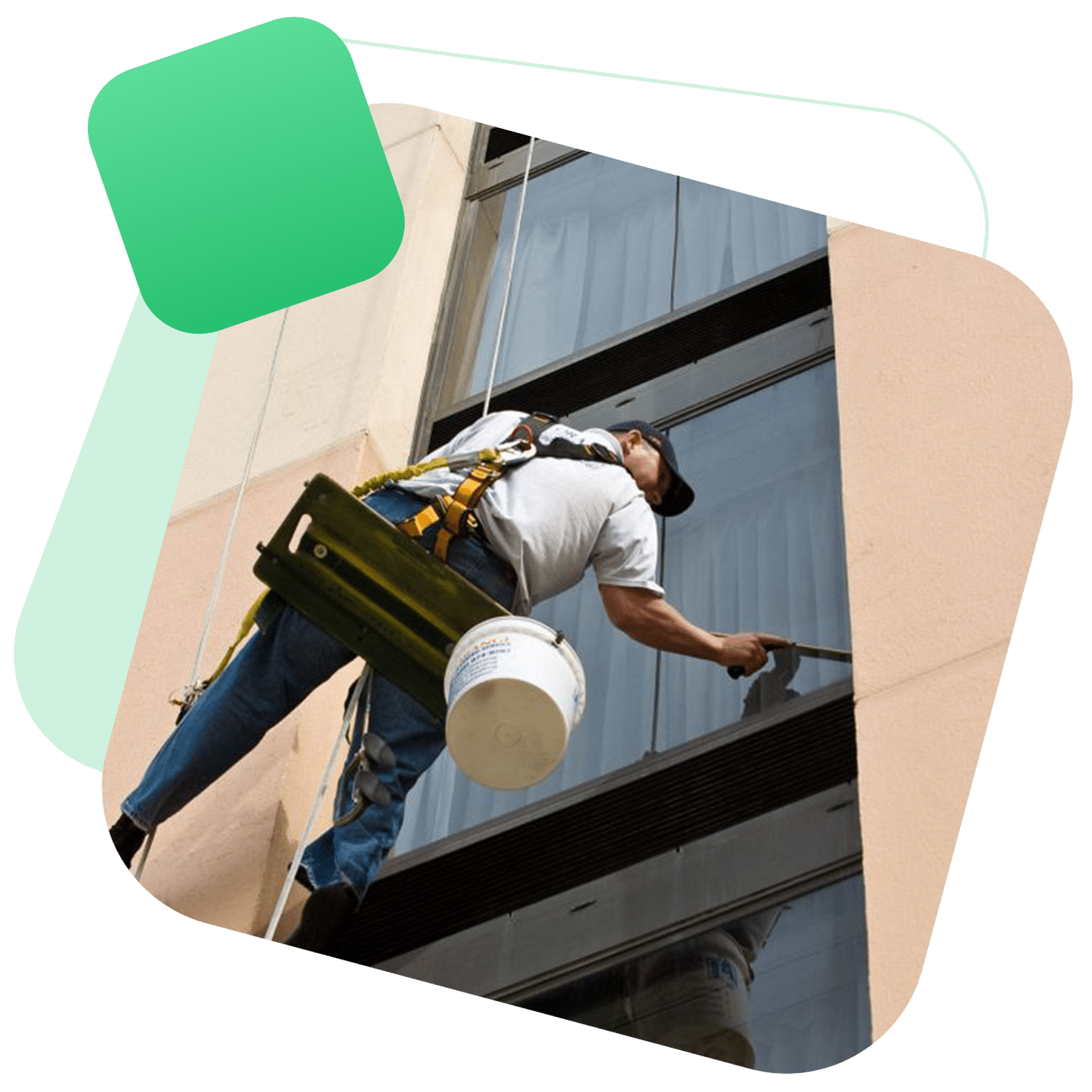
Every day, contractors access rooftops to maintain HVAC systems, inspect façades, service communications equipment, replace roofing systems, upgrade electrical infrastructure, and perform building envelope inspections.

These activities require carefully engineered fall protection systems that allow work to proceed safely while minimizing disruption to occupied buildings.

Shine On Anchors partners with commercial building owners, facility managers, architects, engineers, and contractors throughout New York City to develop permanent rooftop safety systems that support long-term building maintenance and operational excellence.
Why Commercial Buildings in New York City Need Specialized Fall Protection

New York’s commercial buildings differ dramatically from almost every other market.

Many rooftops support:

  • Building Maintenance Units (BMUs)
  • Window washing systems
  • Cooling towers
  • Water tanks
  • Cellular infrastructure
  • Mechanical penthouses
  • Rooftop restaurants
  • Green roofs
  • Solar equipment

In addition to rooftop complexity, New York presents logistical challenges rarely found elsewhere.

Contractors often operate in occupied buildings with limited staging areas, restricted sidewalk access, strict scheduling requirements, and multiple trades working simultaneously.

Properly engineered roof anchors, horizontal lifelines, rope access systems, and guardrails allow maintenance activities to proceed more safely while supporting organized contractor access.

Industries We Serve

New York’s economy spans nearly every commercial sector.

Our commercial clients include:

  • Commercial real estate owners
  • Financial institutions
  • Healthcare systems
  • Universities
  • Hotels
  • Technology companies
  • Government agencies
  • Transportation authorities
  • Property management firms
  • Engineering consultants
  • General contractors
  • Media organizations

Each industry has unique rooftop maintenance requirements requiring customized fall protection strategies.

Building Types We Protect

We support rooftop safety across:

  • Class A office towers
  • Supertall skyscrapers
  • Hospital campuses
  • Hotels
  • Mixed-use developments
  • Historic commercial buildings
  • Universities
  • Data centers
  • Transportation terminals
  • Convention centers
  • Stadiums
  • Government facilities

Every building requires engineering based on structural design, rooftop equipment, maintenance frequency, and contractor traffic.

New York City’s Unique Rooftop Challenges

Few cities combine as many rooftop variables as New York.

High-Rise Density
Thousands of commercial towers require façade maintenance, window washing, and exterior inspections performed hundreds of feet above street level.

Local Climate

Property owners manage:

  • Snow
  • Ice
  • High winds
  • Freeze-thaw cycles
  • Coastal humidity
  • Summer heat

These conditions influence maintenance scheduling and equipment durability.

Historic Buildings
Many Manhattan buildings require engineered solutions that integrate modern fall protection without compromising historic structures.

Urban Logistics
Limited staging space, active pedestrian traffic, and occupied buildings require maintenance projects to be carefully coordinated.

Local Building Regulations
Building owners frequently coordinate fall protection planning alongside façade inspection programs, energy retrofits, and local building compliance initiatives, making long-term documentation and engineering coordination especially valuable.

Roof Anchor Inspection Services

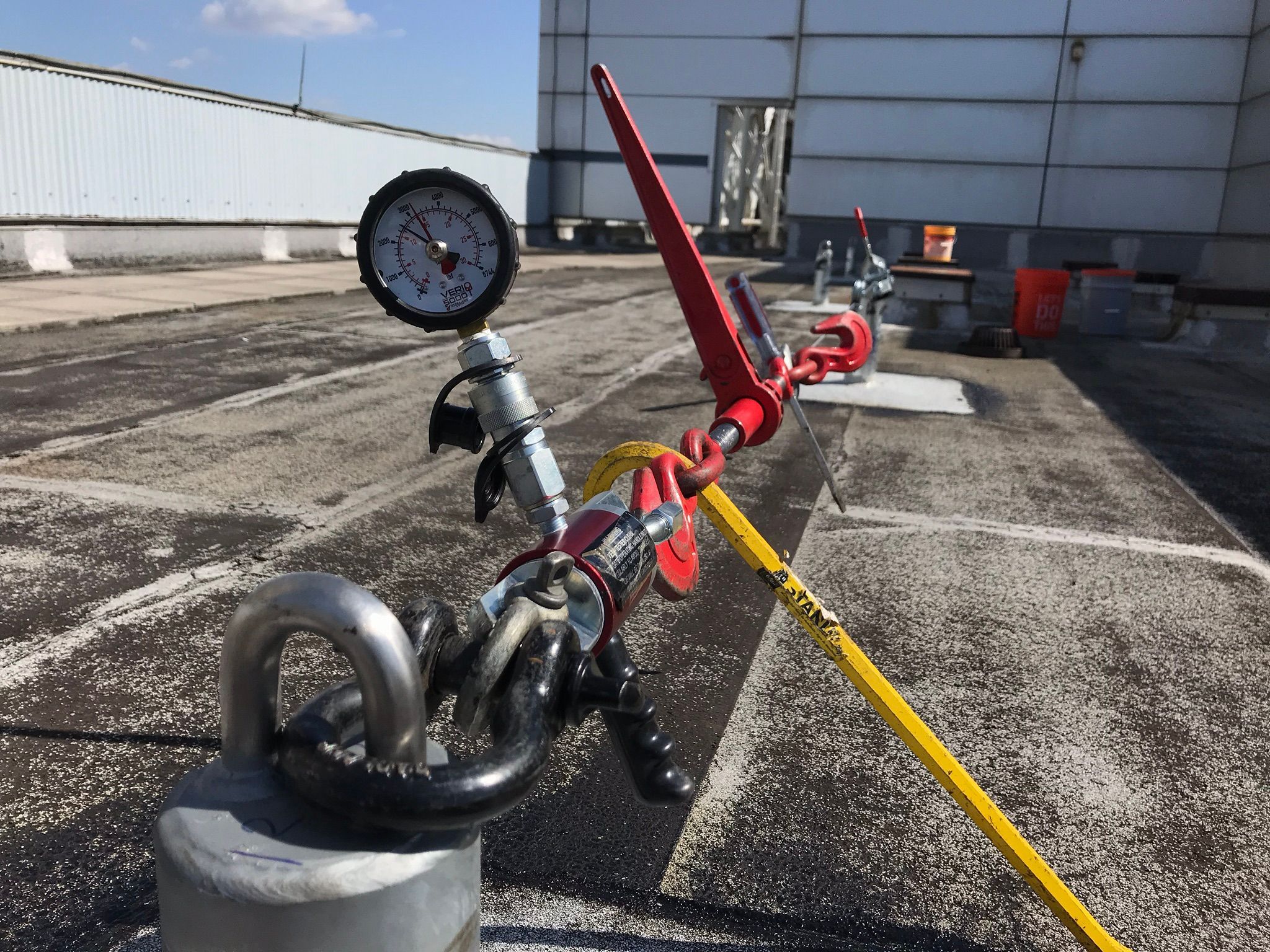
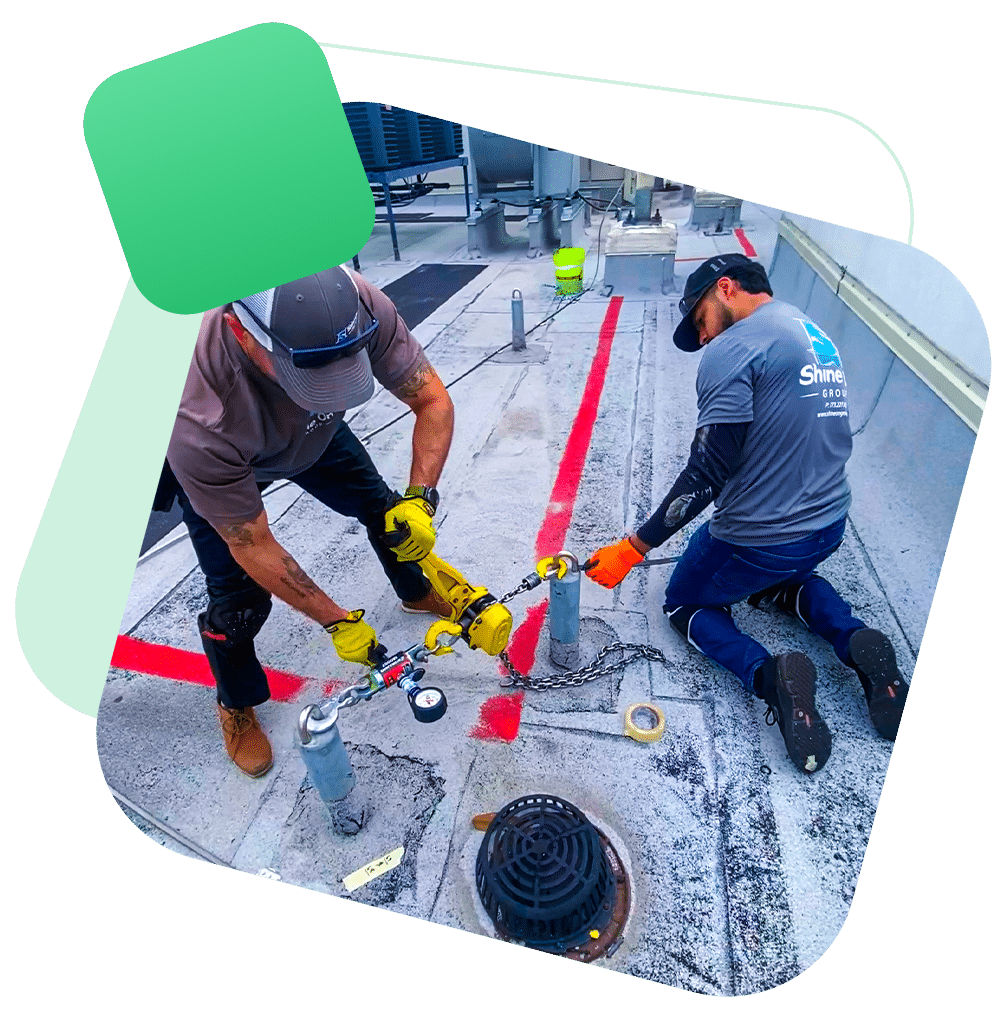
Routine roof anchor inspections help building owners evaluate rooftop safety infrastructure before maintenance activities begin.

Inspection services include:

  • Visual evaluations
  • Documentation review
  • Anchor identification
  • Condition assessments
  • Recommendations for engineering review when appropriate

These inspections support organized maintenance planning and contractor coordination.

Roof Anchor Certification

Many contractors request documentation confirming rooftop anchor systems have been evaluated before beginning elevated work.

Certification programs help owners:

  • Maintain organized records
  • Improve contractor coordination
  • Support long-term rooftop asset management
  • Prepare for future maintenance projects

Rope Access Services

New York is one of North America’s premier rope access markets.

Engineered rope access systems support:

  • Façade inspections
  • Exterior repairs
  • Structural investigations
  • Building envelope assessments
  • Architectural maintenance
  • Difficult-access mechanical work

Because rope access requires significantly less street-level equipment than traditional suspended scaffolding, it often reduces disruption in dense urban environments.

Horizontal Lifeline Systems

Hospitals, transportation hubs, university campuses, convention centers, and large commercial rooftops often benefit from horizontal lifeline systems that allow workers to remain continuously protected while servicing multiple rooftop systems.

Fixed Ladder Fall Protection

Mechanical penthouses, utility facilities, parking structures, and transportation infrastructure commonly rely on fixed ladders for rooftop access.

Engineered ladder safety systems help reduce climbing hazards while supporting OSHA compliance.

Local Case Study Scenario

A facility manager responsible for a 45-story Midtown Manhattan office tower prepares for a major rooftop modernization project involving HVAC replacement, telecommunications upgrades, and façade maintenance.

Rather than allowing each contractor to develop separate access plans, the owner commissions roof anchor inspections, updates certification documentation, and expands horizontal lifeline coverage around newly installed mechanical equipment.

Because the rooftop safety program is established before construction begins, contractors work more efficiently, documentation remains centralized, and disruptions to building tenants are minimized.

Why Building Owners Choose Shine On Anchors

Commercial organizations throughout New York choose Shine On Anchors because we specialize exclusively in engineered commercial rooftop safety.

Our services include:

  • Commercial-only fall protection expertise
  • Roof anchor engineering support
  • Inspection programs
  • Certification documentation
  • OSHA-focused recommendations
  • Coordination with architects and structural engineers
  • Long-term inspection planning
  • Nationwide commercial experience
  • Solutions tailored to complex commercial facilities

Who We Work With

We regularly support:

  • Commercial property managers
  • REITs
  • Financial institutions
  • Healthcare systems
  • Universities
  • Hotels
  • Transportation authorities
  • Architects
  • Structural engineers
  • Government agencies
  • General contractors
  • Building ownership groups

New York City, NY

Frequently Asked Questions:

Why are engineered roof anchors especially important in New York City?

New York’s concentration of high-rise buildings, façade maintenance requirements, and rooftop mechanical infrastructure creates ongoing demand for permanent, engineered fall protection systems.

Do older commercial buildings require customized fall protection?

Yes. Many historic and pre-war commercial buildings require engineered solutions designed specifically for their structural characteristics and preservation requirements.

Why should rooftop documentation be maintained?

Accurate inspection and certification records help building owners coordinate contractors, support maintenance planning, and improve long-term rooftop asset management.

How does rope access benefit commercial buildings in Manhattan?

Rope access often reduces street closures, minimizes equipment staging, and provides efficient access to façades where suspended scaffolding may be more disruptive.

Can horizontal lifeline systems be installed on occupied office buildings?

Yes. Many installations can be coordinated around ongoing building operations with minimal disruption when properly planned.

Schedule Your New York City Commercial Fall Protection Assessment

Whether you manage a Midtown office tower, a healthcare campus in Manhattan, a financial headquarters in Lower Manhattan, a university facility, or a transportation terminal, Shine On Anchors provides engineered commercial fall protection solutions designed for New York City’s unique building environment.

Contact our team today to schedule a roof anchor inspection, certification, or engineered rooftop safety consultation for your New York City property.

📞(773) 227-4522 | 📧anchors@shineongroup.com

Popular Searches Hide Searches