
Hiring a commercial window cleaning contractor involves more than comparing pricing and service schedules.
Before any work begins, building owners and property managers should verify that the contractor carries the proper insurance coverage. A single accident involving a worker, pedestrian, vehicle, or building component can create significant liability exposure.
Proper insurance protects both the contractor and the property owner.
Whether you manage an office tower, university campus, healthcare facility, manufacturing plant, or commercial property portfolio, verifying insurance should be part of every vendor review process.
What Is Public Liability Insurance?
Public liability insurance is commonly referred to in the United States as General Liability Insurance.
This coverage helps protect against claims involving:
- Third-party bodily injury
- Property damage
- Legal defense costs
- Claims from accidents occurring during work
For example, if equipment falls from a rooftop work area and damages property below, general liability insurance may help cover resulting claims. Public liability insurance is often the first policy building owners request when reviewing contractor qualifications.
Insurance Every Commercial Window Cleaning Company Should Carry
General Liability Insurance
General liability insurance is the foundation of a professional contractor’s insurance program.
This coverage may help protect against:
- Damage to client property
- Injuries to pedestrians
- Accidental damage during work
- Legal expenses associated with claims
Most commercial property owners require proof of general liability insurance before allowing contractors on-site.
Workers’ Compensation Insurance
Window cleaning is physically demanding work that often occurs at heights.
Workers’ compensation insurance helps provide coverage for employee injuries that occur while performing job duties.
If a contractor has employees, workers’ compensation coverage is often required by law and is commonly required by commercial clients.
Commercial Auto Insurance
Many window cleaning companies operate service vehicles that transport crews, lifts, ladders, and equipment.
Commercial auto insurance helps protect against vehicle-related accidents and property damage while conducting business operations.
Umbrella Liability Insurance
Many large commercial properties require liability limits that exceed standard general liability policies.
Umbrella insurance provides additional coverage above existing policy limits and is frequently required for high-rise and large-scale commercial projects.
Questions Property Managers Should Ask
Before hiring a contractor, ask:
Can you provide a Certificate of Insurance (COI)?
What are your liability limits?
Do you carry workers’ compensation coverage?
Can our company be listed as an Additional Insured?
Do your subcontractors carry the same coverage?
Are your policies current?
Professional contractors should be able to provide documentation quickly and without hesitation.
Insurance Is Only Part of the Safety Equation
Insurance helps protect against financial risk.
Safety programs help prevent incidents from occurring in the first place.
When evaluating a commercial window cleaning company, verify:
- OSHA compliance programs
- Fall protection procedures
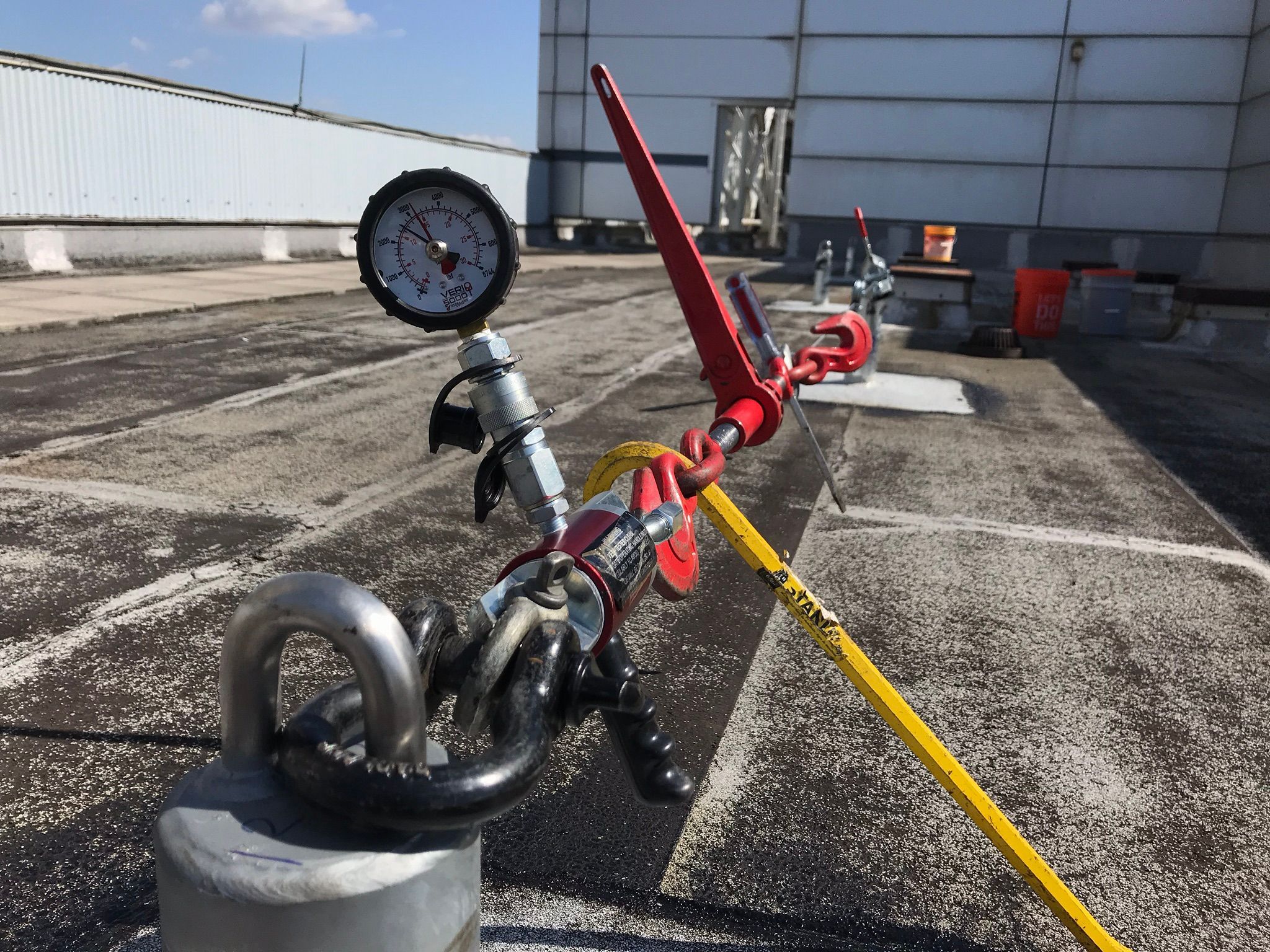
- Roof anchor certifications
- Employee training records
- Rescue planning procedures
- Safety documentation
The best contractors combine strong insurance coverage with strong safety systems.
Why Commercial Property Owners Verify Insurance Every Year
Insurance certificates can expire.
Coverage limits can change.
Subcontractors can be added.
For these reasons, many commercial facilities require updated insurance certificates annually before contractors begin work.
Annual verification helps reduce risk and maintain compliance with vendor management requirements.
Frequently Asked Questions:
How much liability insurance should a window cleaning company carry?
Requirements vary by property and contract. Many commercial properties require at least $1 million in general liability coverage, while larger facilities often require higher limits.
What is a Certificate of Insurance?
A Certificate of Insurance (COI) is a document that verifies active insurance coverage and policy limits.
Is workers' compensation required?
In many situations, yes. Requirements vary by state and company structure, but commercial clients frequently require proof of workers’ compensation coverage.
Should a building owner ask for proof of insurance before work begins?
Absolutely. Insurance verification should be part of every contractor qualification process.
Protect Your Building and Your Liability Exposure
Insurance is one of the easiest ways to evaluate a contractor’s professionalism and risk management practices.
Before hiring a window cleaning company, verify insurance coverage, review safety procedures, and confirm that the contractor has experience working on commercial properties similar to yours.
At Shine On Group, we provide commercial window cleaning services backed by comprehensive safety programs, fall protection procedures, and documented compliance practices.
Contact our team to discuss your next commercial window cleaning project.
Contact Shine On Anchors: 📞(773) 227-4522 | 📧anchors@shineongroup.com