Important Definitions per OSHA. Personal Fall Arrest System – Travel Restraint System – Walking-Working Surface
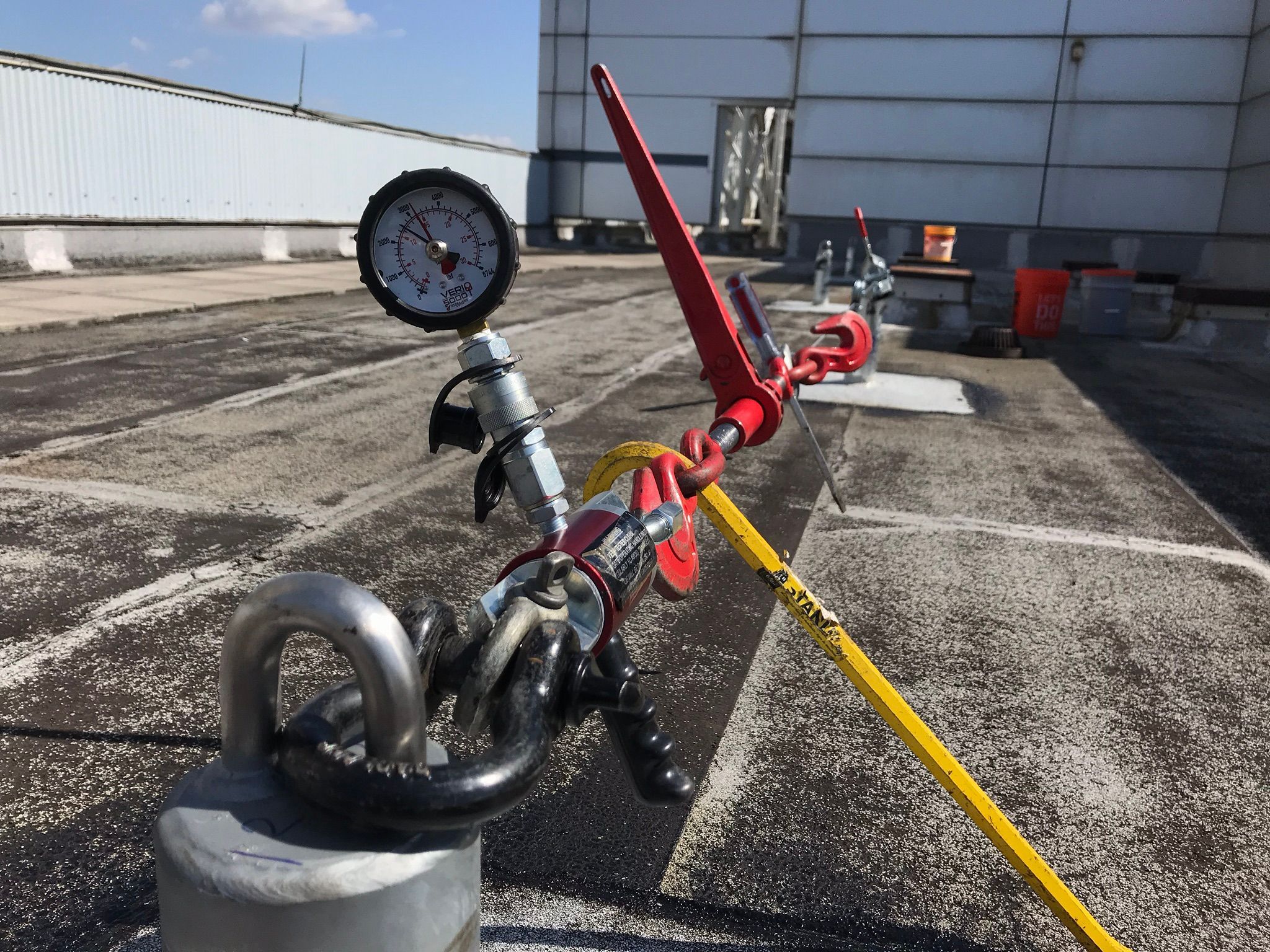
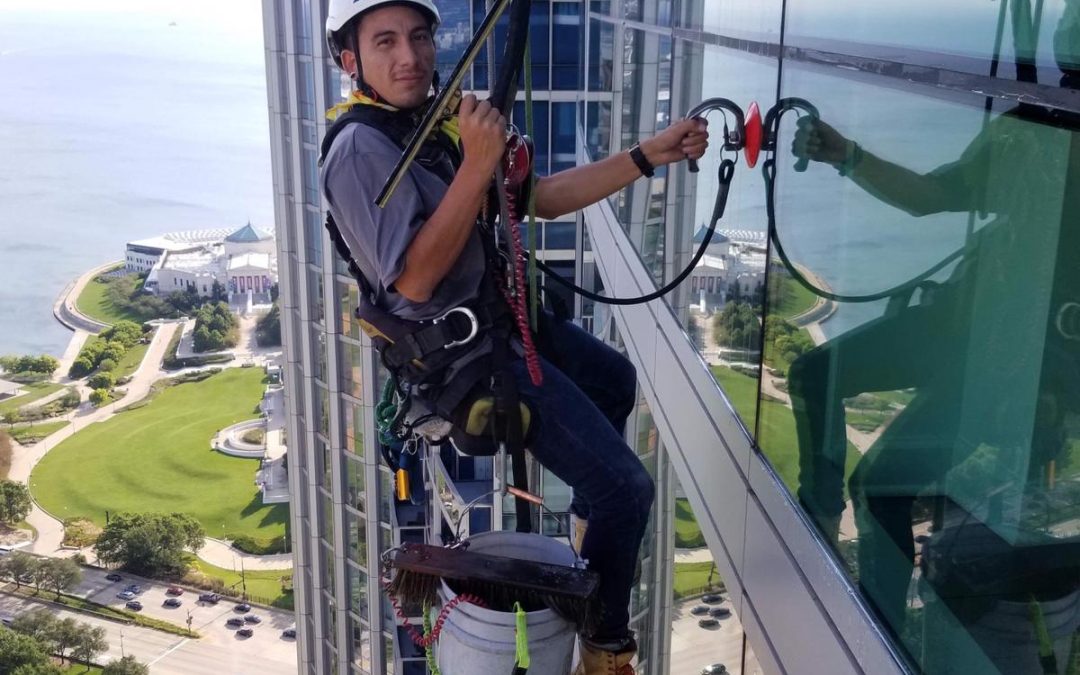
- PERSONAL FALL ARREST SYSTEM– used to arrest a worker’s fall from a walking-working surface, if one occurs. This system consists of a body harness, anchorage, connector, and a means to connect the harness to the anchorage, such as a lanyard, deceleration device, lifeline or a suitable combination of these items.
Update — 2026 Compliance Snapshot:
Fall protection terminology and regulatory expectations evolve year over year as OSHA and ANSI refine safety language and enforcement focus. Understanding OSHA-referenced definitions such as Personal Fall Arrest System (PFAS), Travel Restraint System (TRS), and Walking/Working Surface helps building owners, property managers, and rope access crews avoid misinterpretation, improve compliance, and reduce liability exposure. 2026 emphasizes clarity, documentation, and integration with fall protection planning across all elevated work.
- TRAVEL RESTRAINT SYSTEM– is a combination of an anchorage, connector, lanyard, and body support that an employer uses to eliminate the possibility of a worker going over the edge of a walking-working surface.
- WALKING-WORKING SURFACE– a horizontal or vertical surface on or through which workers walk, work, or gain access to work areas or workplace locations. This includes floors, stairways, roofs, fixed and portable ladders, runways, ramps, walkways, aisles, platforms, and other surfaces.
Frequently Asked Questions:
What is the difference between a Personal Fall Arrest System and a Travel Restraint System?
A Personal Fall Arrest System (PFAS) is designed to catch and stop a fall in progress. A Travel Restraint System (TRS), in contrast, prevents a worker from entering a fall hazard area. PFAS absorbs energy during a fall; TRS limits movement.
Does OSHA define “walking/working surface”?
Yes — OSHA uses “walking/working surface” to describe any surface where a worker walks or works, including roof surfaces, stairs, and platforms. These surfaces determine what type of fall protection and compliance controls are required.
When must a building owner use these terms in compliance planning?
Building owners and safety planners should use OSHA definitions during planning, inspections, rescue-plan development, contractor assurance documentation, and fall-protection training for elevated work.
Ready to turn definitions into compliance?
Understanding terminology is one thing — putting it into action is another. Shine On Anchors helps building owners, property managers, and safety stakeholders implement these definitions as part of practical fall-protection systems and documentation.
Request a Fall Protection Compliance Assessment
Call us at (773) 227-4522 or email anchors@shineongroup.com