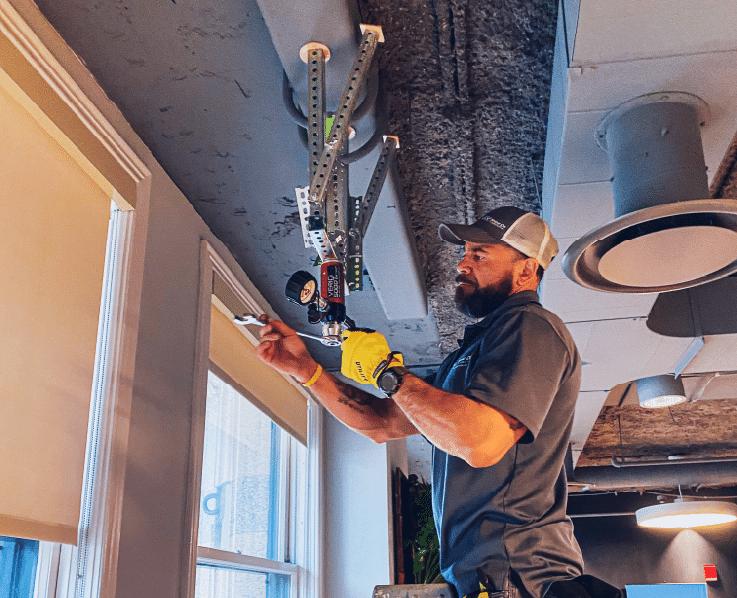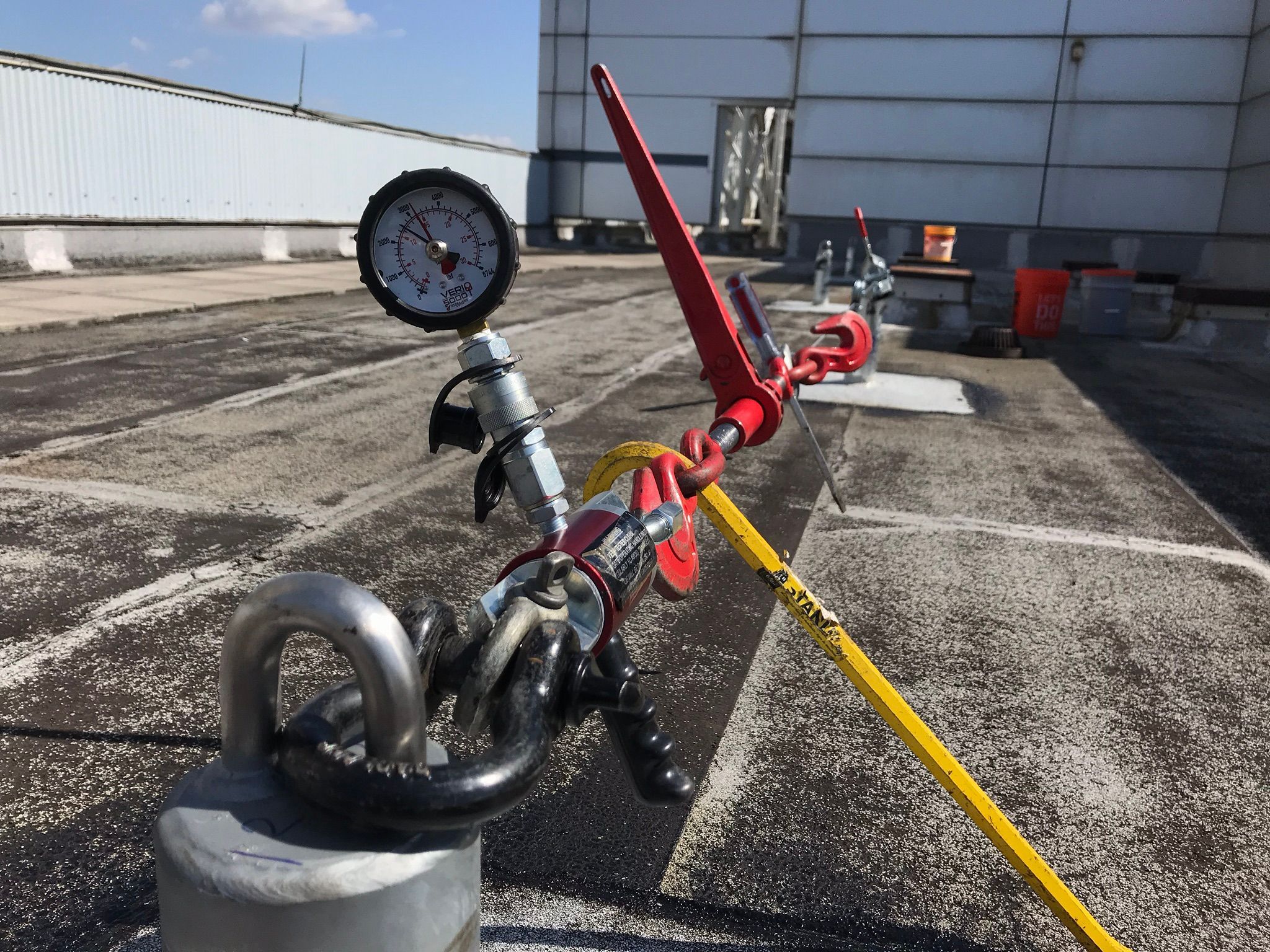
- We inspect your roof anchors for safety
- We certify them to meet OSHA & ANSI
- We issue inspection reports
- We help you stay compliant
- You can schedule online or call us
Fall Protection Anchor Inspection & Certification
What This Page Is About
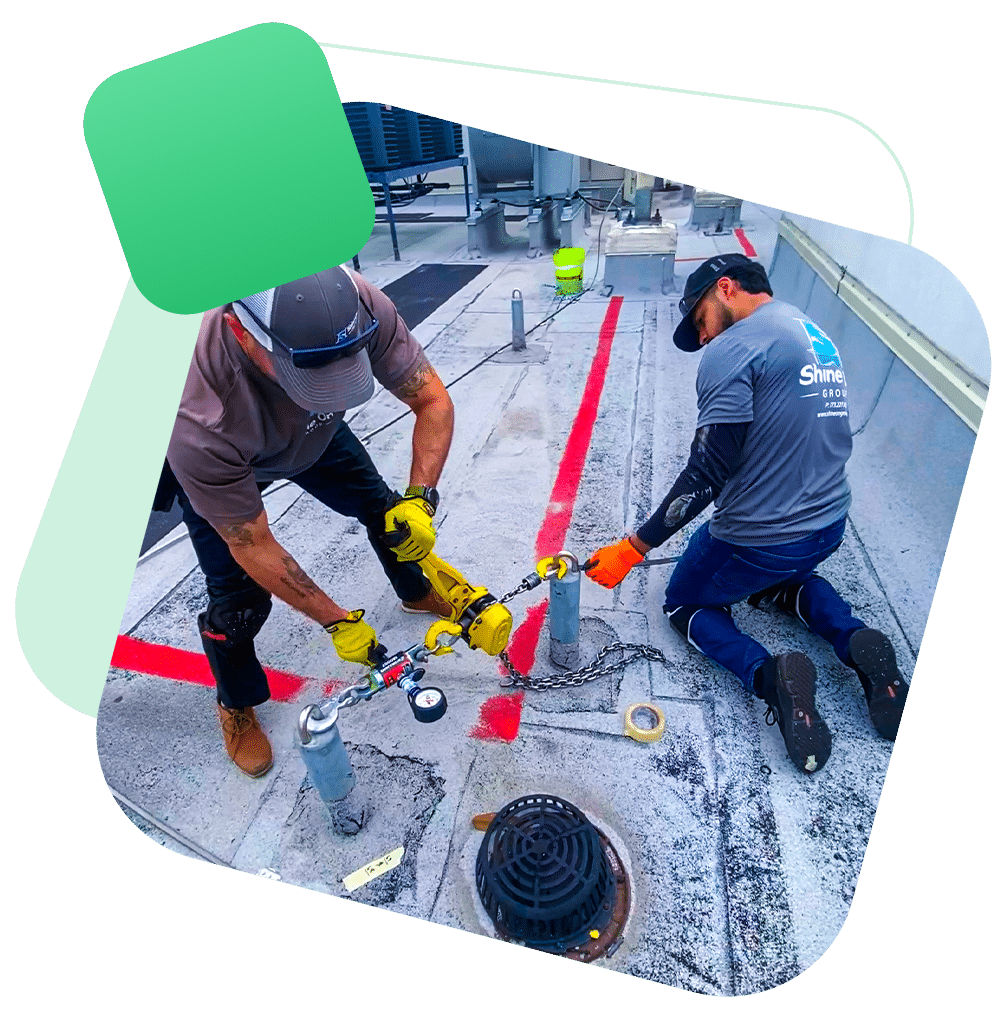
What Is Anchor Inspection?
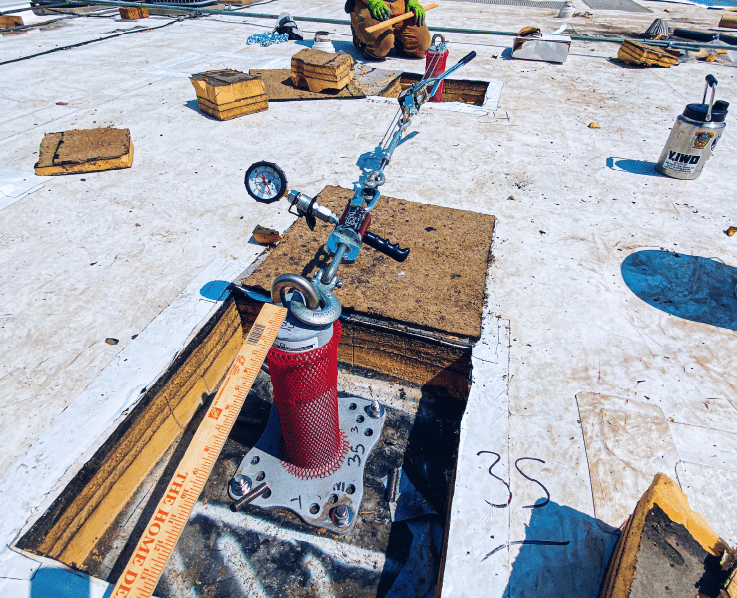
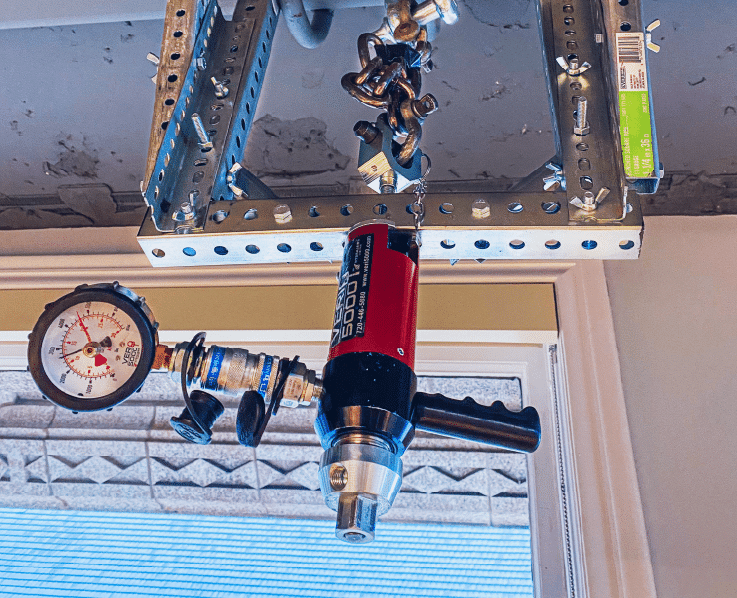
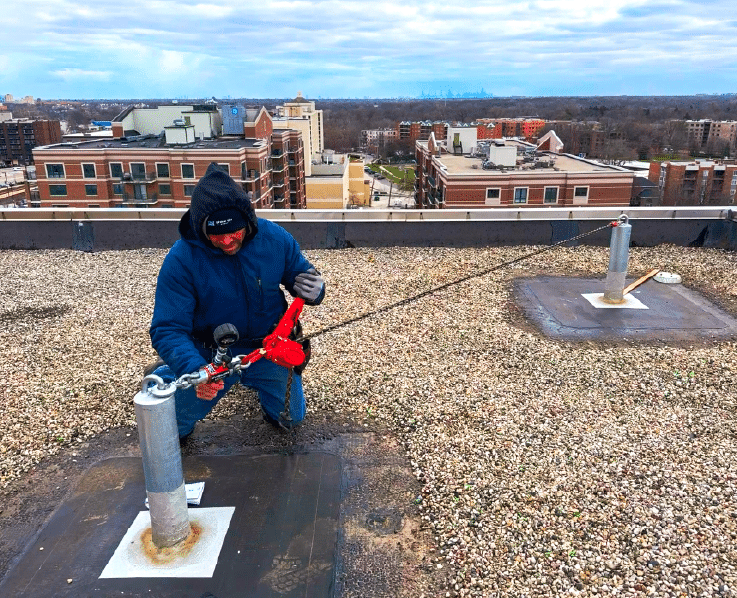
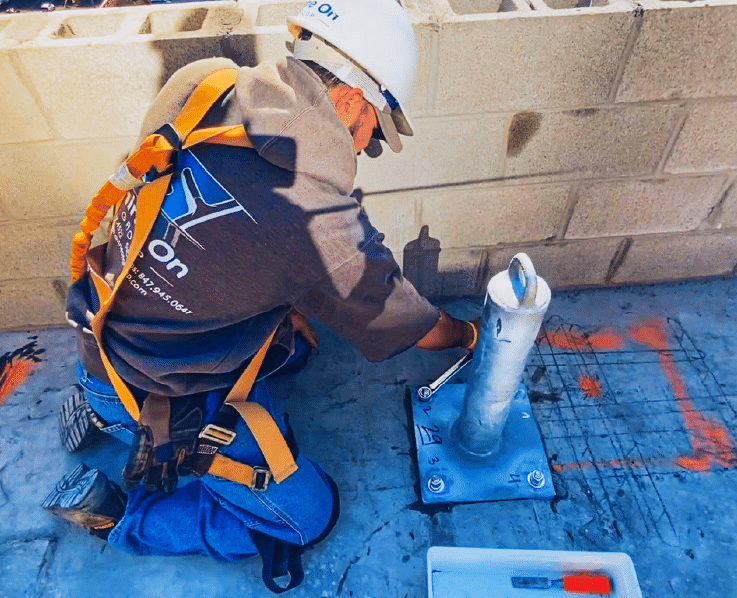
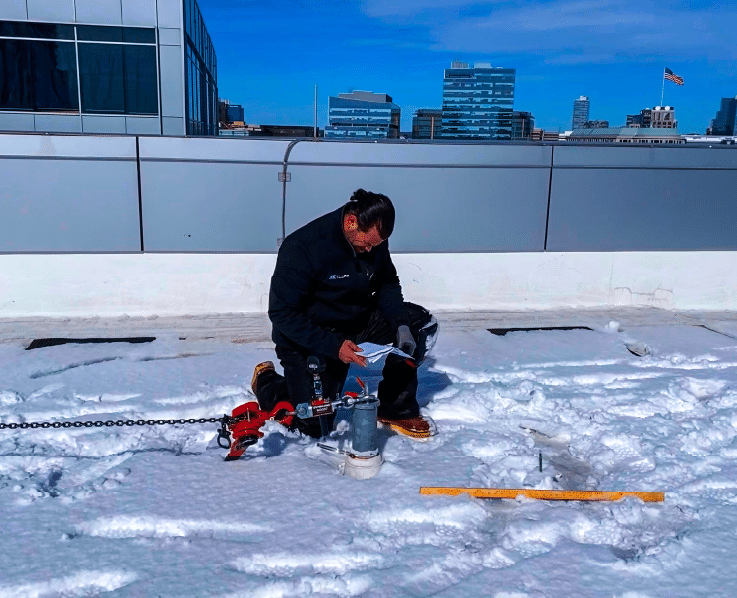
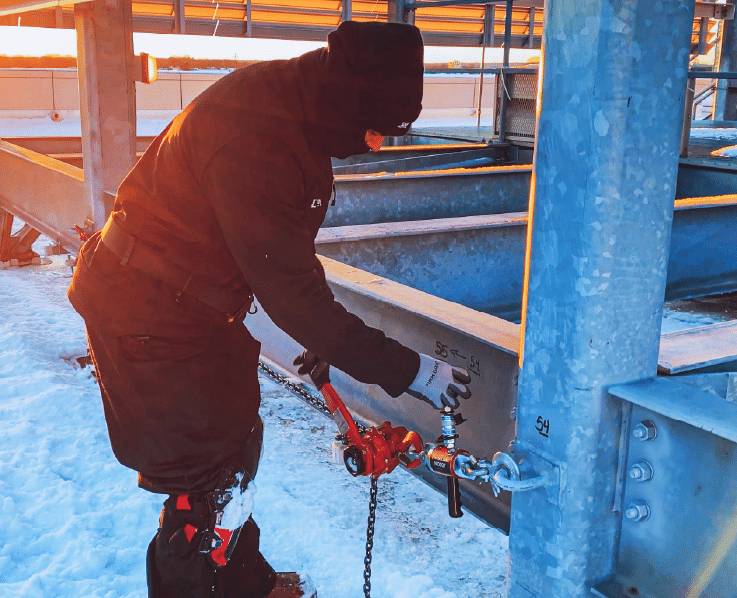
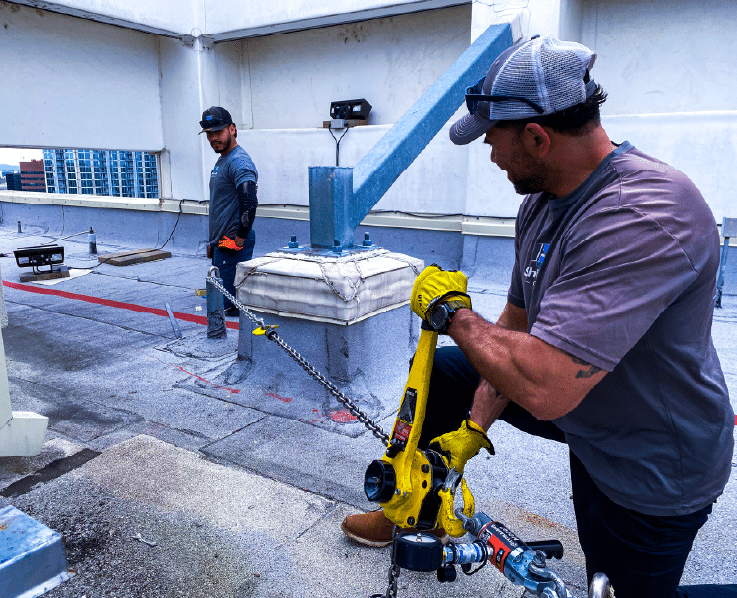
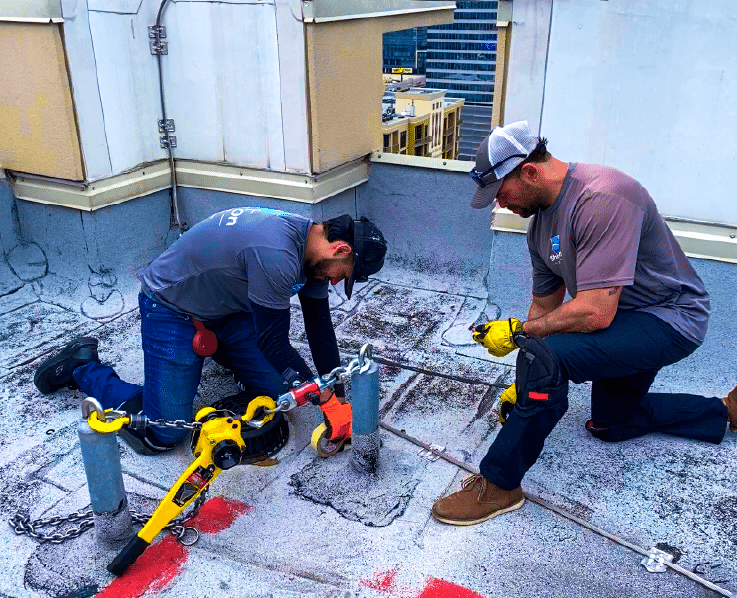
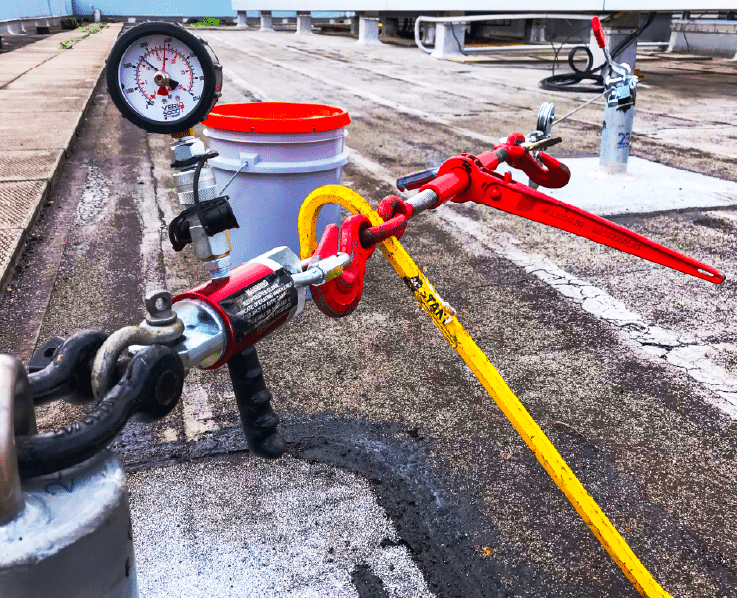
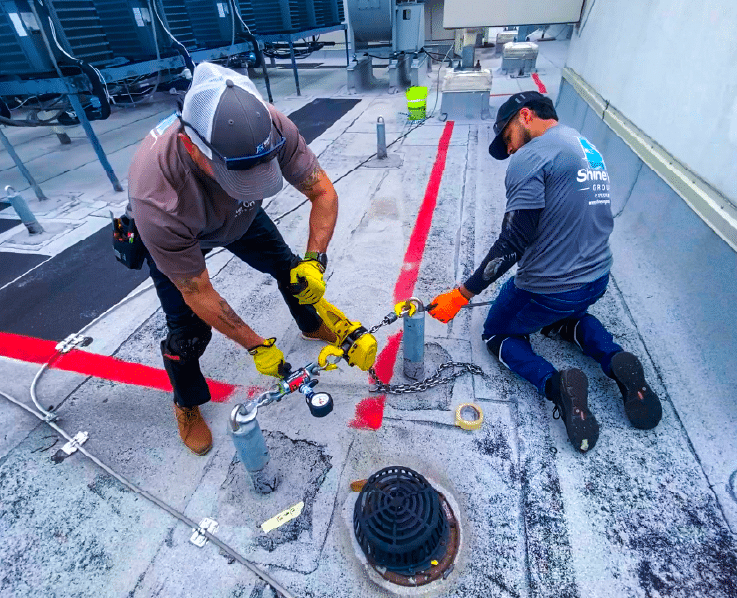
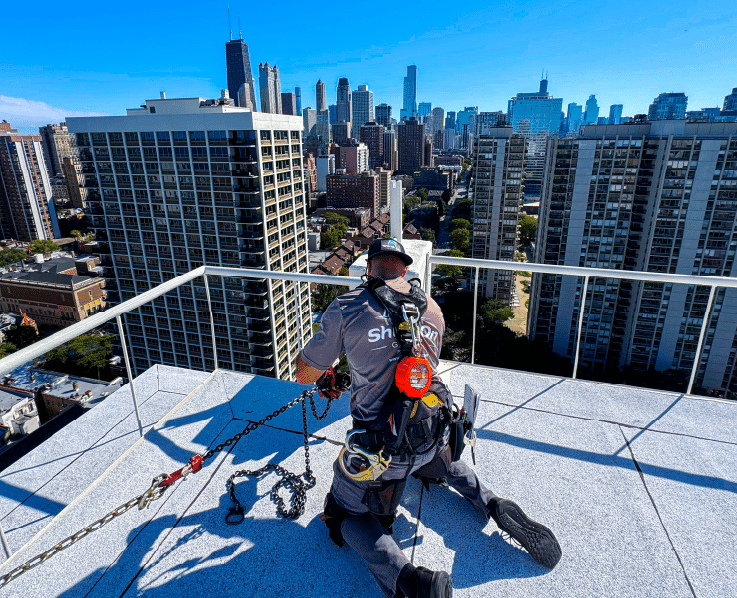
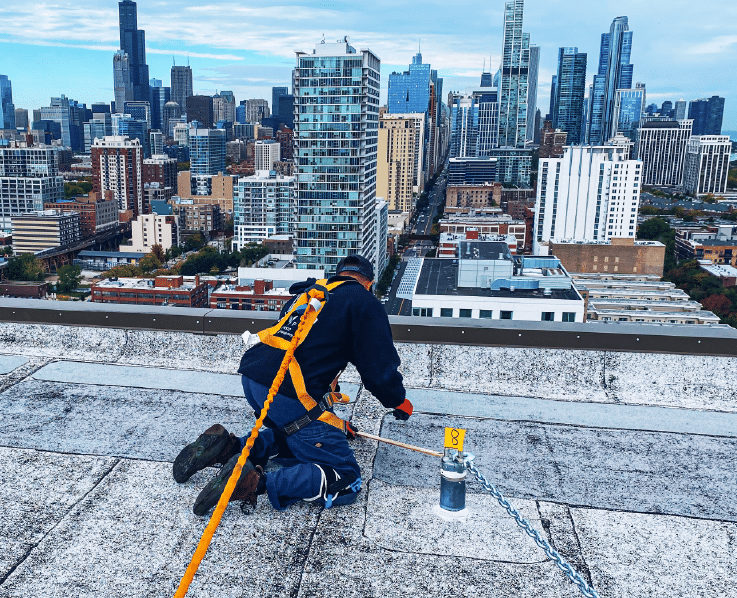
- Anchor inspections ensure that safety anchors are strong, secure, and safe to use. Regular inspections help prevent accidents and protect workers who rely on these anchors when working at heights.
- Building owners and property managers are responsible for making sure anchor systems on their buildings are safe and properly maintained. Regular inspections help them meet safety requirements and protect workers.
- Anchor inspections must follow recognized safety standards and regulations to ensure the anchors are installed correctly, tested, and safe for use in rope access, window cleaning, and maintenance work.
What Is Anchor Inspection?
- Anchor inspections ensure that safety anchors are strong, secure, and safe to use. Regular inspections help prevent accidents and protect workers who rely on these anchors when working at heights.
- Building owners and property managers are responsible for making sure anchor systems on their buildings are safe and properly maintained. Regular inspections help them meet safety requirements and protect workers.
- Anchor inspections must follow recognized safety standards and regulations to ensure the anchors are installed correctly, tested, and safe for use in rope access, window cleaning, and maintenance work.

OSHA & ANSI
Rules You Should Know
- OSHA 1910.30 This rule explains the safety requirements for working at heights. It helps ensure workers use proper fall protection systems to prevent accidents.
- OSHA 1910.28 This standard requires employers and building owners to provide safe fall protection for workers who work on elevated surfaces or near edges.
- ANSI Z359 This is a safety standard for fall protection equipment such as harnesses, anchors, and lifelines. It ensures the equipment used by workers is strong, tested, and reliable.
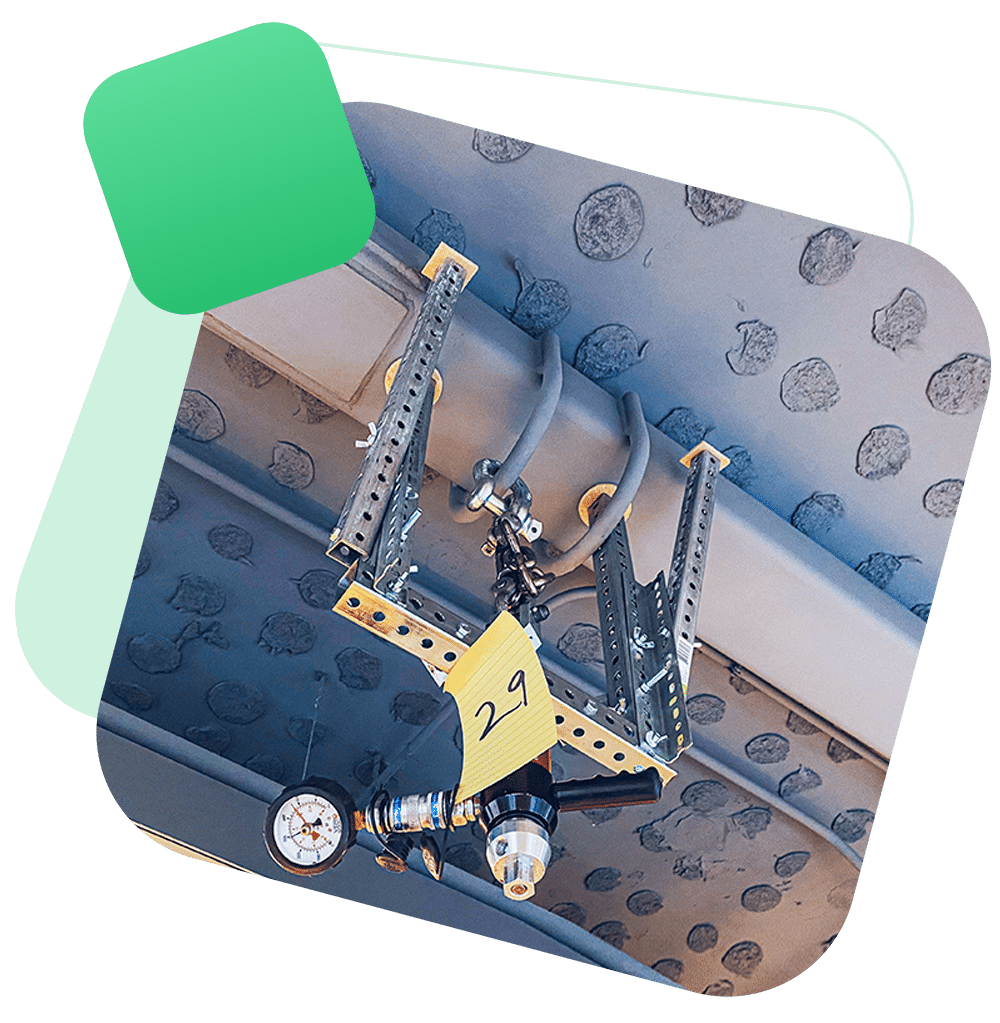
Anchor Inspection Checklist (Easy List)
What We Check
✔ Tag condition
✔ Bolt torque
✔ Material corrosion
✔ Load tests
✔ Compliance documentation
Anchor Inspection Checklist (Easy List)
What We Check
✔ Tag condition
✔ Bolt torque
✔ Material corrosion
✔ Load tests
✔ Compliance documentation

When & How Often You Need Inspection
-
1-Year
-
5-Year
-
After repairs
-
After a failure

What You Get After Inspection
-
PDF report
-
Compliance certification
-
Photos
-
Recommendation
What You Get After Inspection
-
PDF report
-
Compliance certification
-
Photos
-
Recommendation

Common Problems We Find
-
Missing tags
-
Corrosion
-
Incorrect installation
-
Missing documentation
Frequently Asked Questions:
What is roof anchor installation?
Roof anchor installation involves placing permanent safety anchors on rooftops to ensure workers have secure tie-off points for fall protection.
Who needs roof anchor installation?
Building owners, property managers, and contractors responsible for rooftop maintenance or window cleaning require certified roof anchors to stay OSHA-compliant.
How often should roof anchors be inspected?
OSHA requires anchors to be certified every 10 years and inspected annually by a qualified professional.
What happens during an anchor inspection?
During the inspection, technicians check the condition of the anchors, look for rust or damage, test the strength if required, and confirm that everything meets safety standards.
What are the risks of not inspecting anchors?
If anchors are not inspected, damaged or weak anchors might go unnoticed. This can lead to serious accidents, injuries, or even fatalities for workers at height.
What standards apply to fall protection anchors?
Common standards include OSHA regulations and ANSI safety standards. These guidelines help ensure anchors are installed, maintained, and used safely.