Horizontal Lifeline (HLL) systems are one of the most effective — and misunderstood — fall protection solutions for rooftop work. As OSHA enforcement and insurance scrutiny increase in 2026, building owners must understand when HLL systems are required, how they work, and how to keep them compliant.
What Is a Horizontal Lifeline System?
An HLL system consists of a flexible cable or rigid rail installed between engineered anchor points. Workers attach to the lifeline and can move freely along the roof edge or work zone while remaining continuously tied off.
HLLs are commonly used for:
-
-
- Rooftop inspections
-
- HVAC maintenance
-
- Window cleaning preparation
-
- Solar panel servicing
- Parapet and façade work
-
When Are HLL Systems Required?
HLL systems are ideal when:
-
-
- Workers must travel long distances near roof edges
-
- Multiple access points are needed
-
- Guardrails are impractical
- Frequent maintenance occurs
-
OSHA 1910.28 requires fall protection whenever workers are exposed to fall hazards — HLLs are often the safest and most efficient solution.
Key Components of a Compliant HLL
A compliant HLL system includes:
-
-
- Engineered end anchors rated for fall arrest
-
- Intermediate supports (if required)
-
- Cable or rail lifeline
-
- Energy absorber
- Proper tensioning and clearance calculations
-
Each component must be designed as a system — not installed piecemeal.
Inspection & Certification Requirements
-
-
- Annual visual inspections
-
- Manufacturer-specified maintenance
-
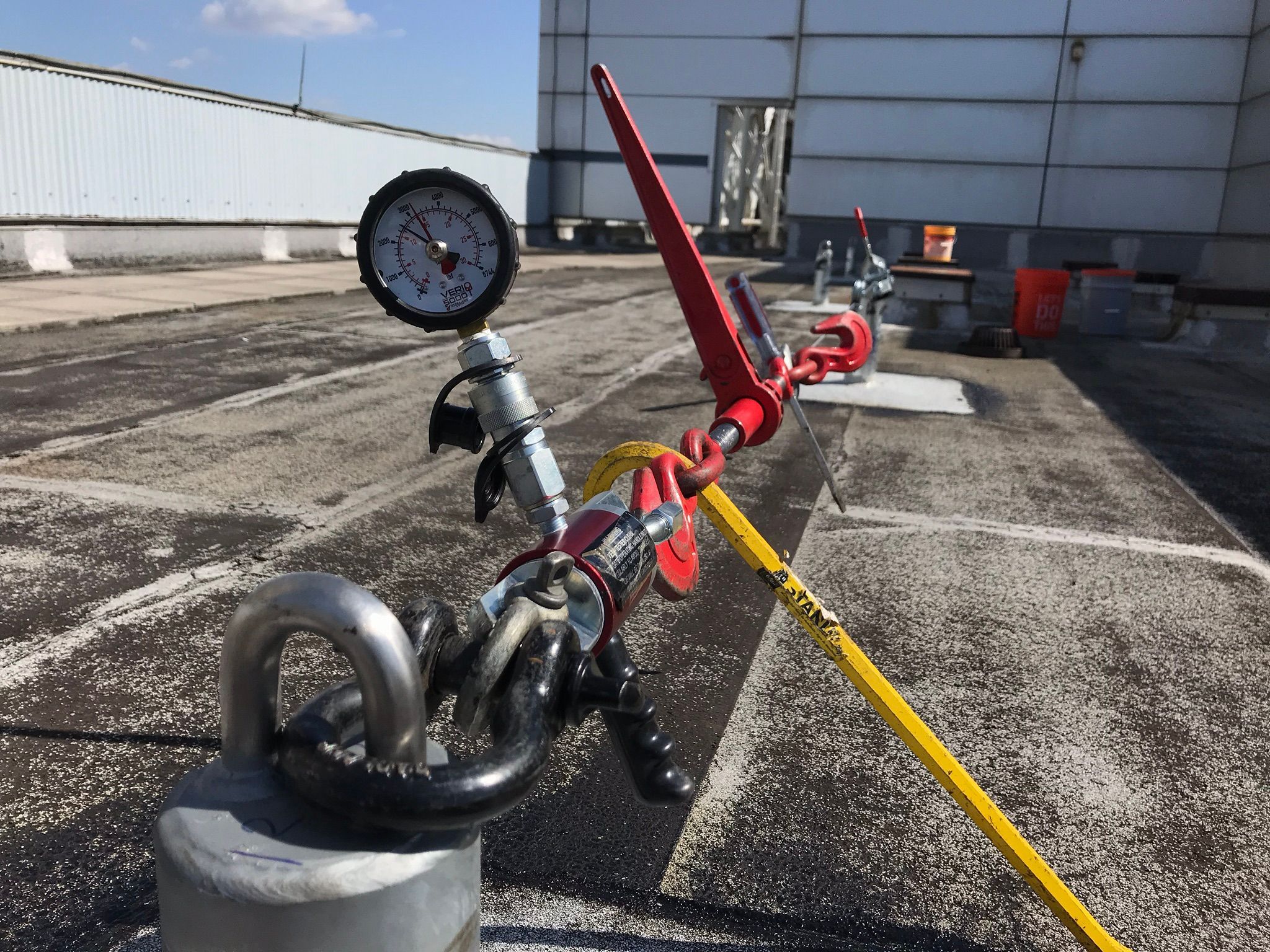
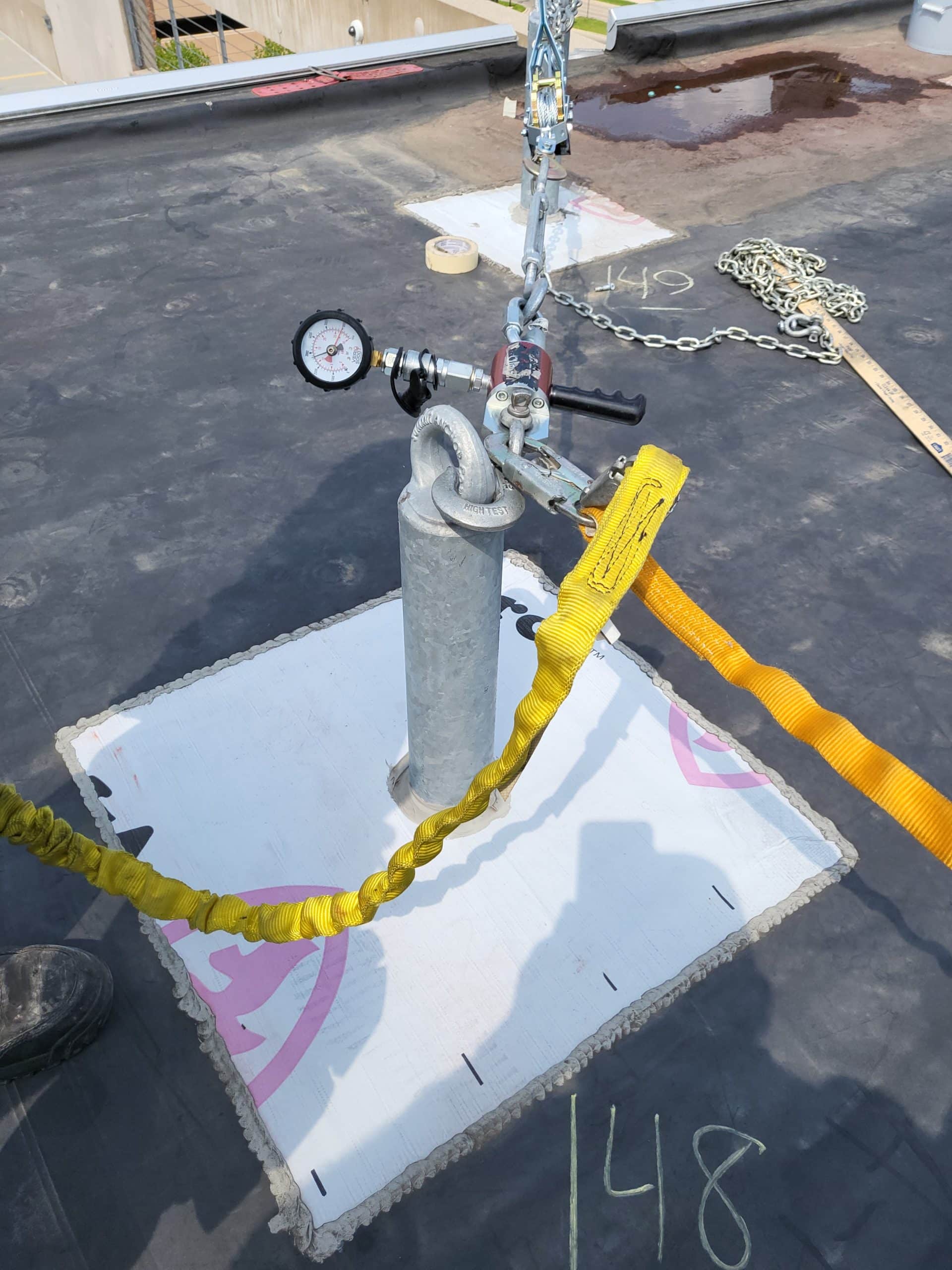
- Load testing of anchors when required
- Documentation retained for compliance
-
How Shine On Anchors Helps
We design, install, inspect, and certify HLL systems tailored to your roof layout and access needs — ensuring OSHA and ANSI compliance.
📞 Need an HLL evaluation? Contact Shine On Anchors today at (773) 227-4522 or email anchors@shineongroup.com
Frequently Asked Questions:
When is a horizontal lifeline required on a rooftop?
A horizontal lifeline is required when workers must move along roof edges or across large roof areas where guardrails are not present and continuous tie-off is necessary to meet OSHA fall protection requirements.
How often do horizontal lifelines need to be inspected?
Horizontal lifeline systems must be visually inspected at least annually and after any fall event, with anchor testing and certification performed according
Need an HLL evaluation?
Call us at (773) 227-4522 or email anchors@shineongroup.com