Horizontal lifeline (HLL) systems help protect workers performing maintenance, inspections, and other tasks at height. These systems are commonly installed on commercial rooftops, industrial facilities, manufacturing plants, and other elevated work areas.
Like other fall protection equipment, horizontal lifelines require appropriate inspection and maintenance to identify damage, deterioration, or conditions that could affect their intended performance.
For commercial building owners and facility managers, understanding what an HLL inspection involves can help prevent unexpected maintenance problems and improve fall protection planning.
Why Horizontal Lifeline Inspections Matter
Horizontal lifeline systems consist of interconnected components that must function together.
Depending on the design, a system may include:
- End anchorages.
- Intermediate supports.
- Cable or other lifeline components.
- Energy absorbers.
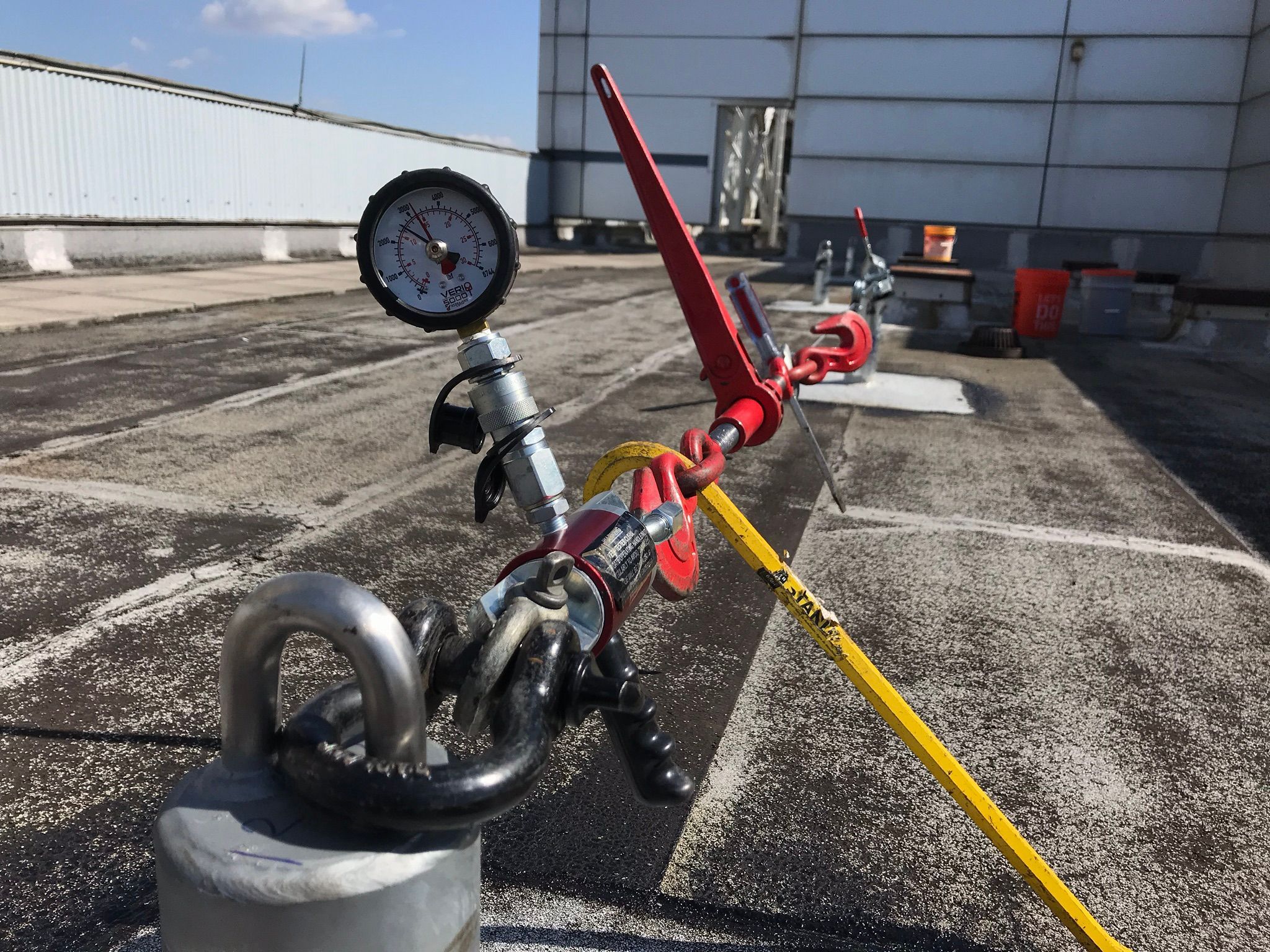
- Tensioning devices.
- Connectors and traveling devices.
- Structural attachments.
- Labels and identification information.
Damage or deterioration affecting one component may compromise the intended performance of the larger system.
An appropriate inspection should consider the complete installation rather than focusing only on the cable.
Horizontal Lifeline Inspection Checklist
The following checklist identifies common items a qualified inspector may review. Specific procedures and acceptance criteria should come from the system design, manufacturer instructions, and applicable requirements.
1. Anchorages and Structural Connections
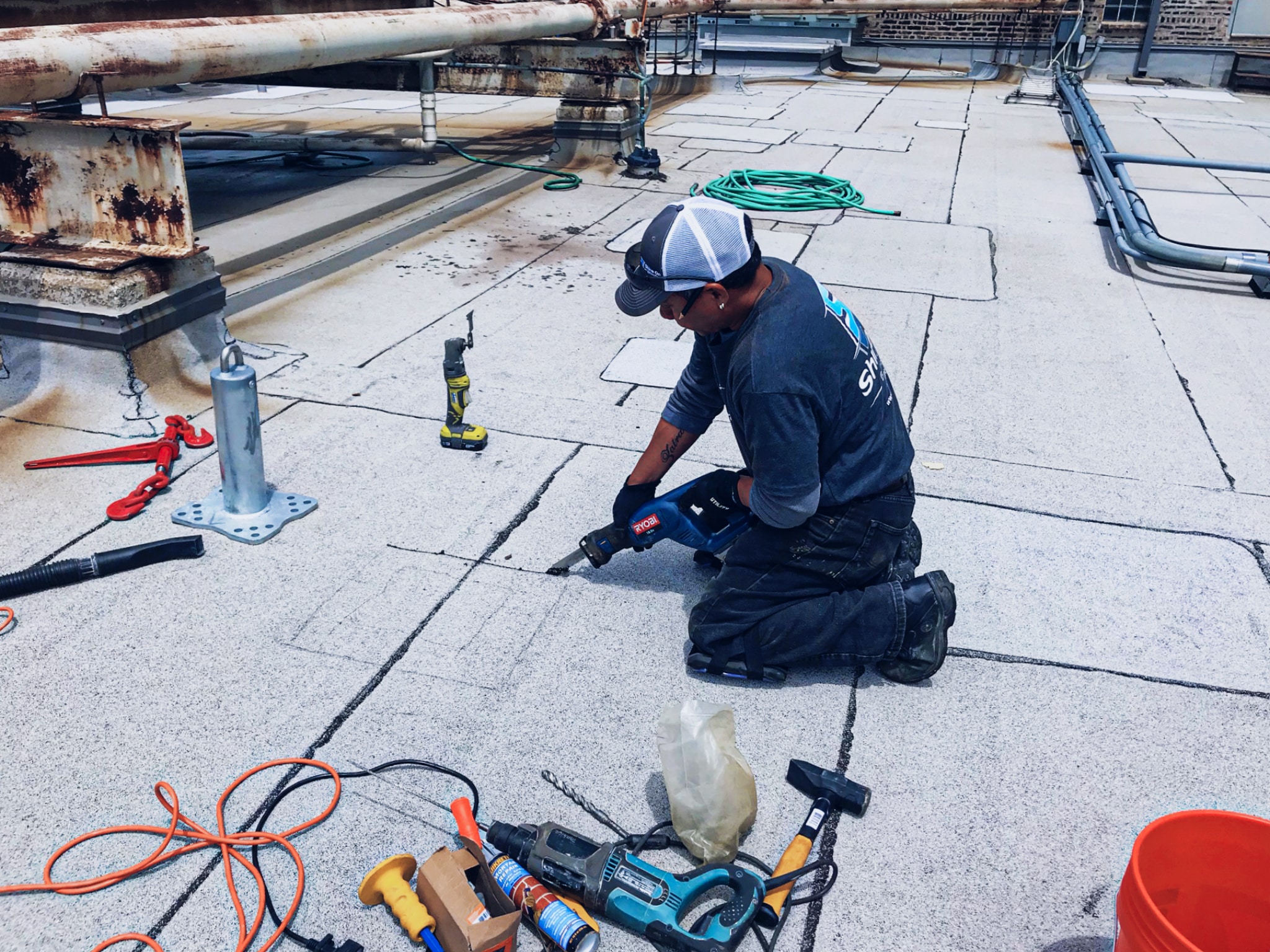
Inspect accessible end and intermediate anchorages for corrosion, cracks, deformation, loose components, and other signs of deterioration.
Review the supporting structure where necessary.
2. Cable or Lifeline Condition
Look for broken wire strands, kinks, abrasion, corrosion, damaged terminations, or other visible defects.
The inspection method depends on the type of lifeline installed.
3. System Tension and Alignment
Review system tension and alignment against the manufacturer’s specified requirements. Improper adjustment may affect system performance.
Inspectors should not attempt to establish acceptable tension or clearance using assumptions alone.
4. Energy Absorbers
Inspect applicable energy absorbers for damage, deployment indicators, deterioration, or other conditions identified by the manufacturer.
5. Intermediate Supports
Evaluate the condition of brackets, attachments, guides, and other intermediate components.
Look for damage, improper alignment, missing hardware, and visible movement.
6. Labels and Identification
Confirm that required identification, instructions, warnings, and system information are present and legible.
7. Equipment Compatibility
Review whether the intended connectors, traveling devices, and other components are compatible with the installed lifeline system.
8. Building and Roof Conditions
Consider roof repairs, structural modifications, water intrusion, corrosion, and other changes that may affect the installed system.
What Does OSHA Require for Horizontal Lifelines?
OSHA 1910.140(c)(11) requires covered horizontal lifelines to be designed, installed, and used under the supervision of a qualified person.
The system must also be part of a complete personal fall arrest system maintaining a safety factor of at least two.
Inspection and maintenance requirements depend on the system, equipment, manufacturer instructions, applicable regulations, and relevant industry standards.
Building owners should not assume that a single inspection method or schedule applies to every horizontal lifeline installation.
How Often Should Horizontal Lifeline Systems Be Inspected?
Inspection frequency depends on the specific equipment and applicable requirements.
Pre-use inspections, periodic evaluations, manufacturer-specified maintenance, and additional inspections after damage or unusual events may all be relevant.
Some systems have annual or other recurring inspection requirements.
The appropriate interval should be established from the actual system documentation and governing criteria.
What Happens When an HLL Fails Inspection?
If an inspection identifies a condition that makes a horizontal lifeline unsuitable for its intended use, the affected system should be removed from service until the concern is resolved and the appropriate evaluation is completed.
Corrective work may involve:
- Replacing damaged components.
- Repairing anchorages.
- Engineering review.
- Restoring system tension or configuration.
- Updating identification and documentation.
- Additional inspection or testing.
The proper corrective action depends on the deficiency.
Frequently Asked Questions:
Who should inspect a horizontal lifeline system?
Inspections should be performed by personnel who meet the applicable qualifications and have appropriate knowledge of the system and its requirements. Specific inspection qualifications may depend on manufacturer instructions and governing standards.
Does every horizontal lifeline require annual certification?
There is no universal annual certification rule that applies identically to every HLL system. The correct inspection and certification schedule depends on the equipment and applicable requirements.
Can a horizontal lifeline be used after a fall event?
Equipment subjected to fall impact loading must be addressed according to OSHA requirements, manufacturer instructions, and appropriate professional evaluation before it is returned to use.
Schedule a Commercial Horizontal Lifeline Evaluation
Shine On Anchors provides nationwide fall protection services, including horizontal lifeline systems, roof anchor inspections, load testing, and certification.
Our team works with commercial building owners, property managers, engineers, and facility teams to evaluate existing rooftop safety systems.
Contact Shine On Anchors
Phone: (773) 227-4522
Email: anchors@shineongroup.com