OSHA 1910.30 establishes training requirements for employees exposed to certain fall hazards in general industry workplaces. Employers must ensure affected workers understand the hazards they face and know how to use the fall protection systems and equipment provided for their safety.
For commercial building owners, property managers, contractors, and safety professionals, understanding OSHA 1910.30 is an important part of planning safe rooftop work, window cleaning, building maintenance, and other work performed at height.
The regulation addresses several important questions:
- Who needs fall protection training?
- Who is qualified to provide the training?
- What topics must employees understand?
- When is retraining required?
- What additional training applies to rope descent systems?
Training is only one part of an effective fall protection program. Employers must also select appropriate equipment, evaluate workplace hazards, and ensure workers have suitable anchorage and protection systems for the tasks being performed.
Understanding these requirements can help reduce unsafe work practices and improve coordination between building owners and the contractors working on their properties.
What Does OSHA 1910.30 Require?
OSHA 1910.30 requires employers to provide applicable fall hazard training before employees are exposed to the hazards covered by the standard.
For employees who must use personal fall protection systems or work in designated areas, training must be provided by a qualified person.
Training must cover the nature of the fall hazards and the procedures employees need to follow to reduce those hazards.
Employees must also understand the proper installation, inspection, operation, maintenance, and disassembly of the personal fall protection systems they use.
The regulation includes additional requirements for employees who use rope descent systems and for retraining when workplace conditions, equipment, or employee knowledge make previous training inadequate.
The purpose is simple: workers need more than fall protection equipment. They need the knowledge and skills to use it correctly.
Quick Summary
- OSHA 1910.30 requires fall protection training before workers face hazards
- Training must be done by a qualified person
- Workers must learn hazards, equipment use, and safety procedures
- Retraining is required when conditions change
- Building owners are responsible for safe systems
Why this matters:
Workers must be trained before exposure to fall hazards and understand how to use equipment safely.
1910.30(a)(2) The employer must ensure that each employee is trained by a qualified person, not a competent person, and not just be treated as a casual, “put this on and use it” command!
What OSHA 1910.30 Requires
Training must cover:
- How to recognize fall hazards
- How to reduce those hazards
- How to use fall protection equipment
- How to inspect and store equipment
Workers must be trained before exposure to hazards and by a qualified person.
Who Must Be Trained
Training is required for anyone who:
- Uses personal fall protection
- Works near fall hazards
- Uses rope descent systems
- Works in designated safety areas
Even workers who do not directly use equipment may still need training if they are exposed to hazards.
Training Topics OSHA Requires
Training must include:
✔ Nature of fall hazards
✔ Procedures to reduce risk
✔ Proper installation and use of systems
✔ Inspection and maintenance of equipment
✔ Correct anchoring and tie-off methods
These topics are required so workers understand both hazards and proper equipment use.
Rope Descent System Training (Important for Your Market)
Workers using rope descent systems must receive specialized training in rigging and operation.
This is critical for:
- Window cleaning crews
- Rope access technicians
- High-rise maintenance teams
H2: When Retraining Is Required
Retraining must happen when:
- New equipment is introduced
- Job conditions change
- Workers show lack of understanding
- After an incident or near miss
OSHA requires retraining whenever previous training becomes inadequate.
Why This Matters for Building Owners
Make this about decision-makers (your buyers).
If contractors work on your building:
- You can share liability for unsafe conditions
- You must provide safe anchor points
- You should verify training and certifications
Inspections help reduce risk.
Common Training Mistakes That Lead to Violations
❌ Workers trained only once years ago
❌ No documentation of training
❌ Using equipment without proper instruction
❌ Assuming contractors are trained
❌ Missing rescue planning
-
A qualified person is defined by OSHA as one who, “by possession of a recognized degree, certificate, or professional standing, or who by extensive knowledge, training, and experience, has successfully demonstrated their ability to solve or resolve problems relating to the subject matter, the work, or the project.”
-
According to 1910.140(d) – A competent person is capable of identifying existing and predictable hazards in any personal fall protection system or component, as well as in their application and uses with related equipment. They also have the authority to take prompt corrective actions to eliminate the identified hazards.
1910.30(a)(3) The subjects and topics to be covered prior to being exposed to a fall hazard, includes some of the following:
-
The nature of fall hazards, how to Identify and minimize these hazards.
-
Proper procedures for installing, inspecting, operating, maintaining, or disassembling personal fall protection systems.
-
How to maintain, inspect, and store equipment or systems used for fall protection.
1910.30(c) – employers are required to retrain their workers, if they have reason to believe the workers do not have the understanding and skill, that this section requires.
Situations requiring retraining can include:
-
Whenever workplace changes make prior training inadequate or obsolete.
-
If changes with fall protection systems or equipment, render prior training inadequate or obsolete.
-
It becomes apparent, through inadequacies of a worker’s knowledge or use of fall protection systems or equipment, that the worker does not have the required understanding or skill level necessary to perform the job safely. Or, they are observed performing the job or using the equipment in an unsafe manner.
1910.30(d) – Especially important, is the requirement that employers must provide information and training to each worker in a manner that they clearly understand. This could include bi-lingual training, and ensuring material is presented at a level all employees understand.
What OSHA 1910.30 Means for Commercial Building Owners
Building owners and property managers regularly coordinate work involving window cleaners, roofing contractors, HVAC technicians, and other professionals who access elevated areas.
Although OSHA 1910.30 primarily establishes employer training responsibilities, building owners play an important role in helping contractors understand the conditions and permanent safety systems available at a property.
Before rooftop work begins, property managers should identify available roof anchors, horizontal lifelines, roof access points, and other installed fall protection systems.
They should also maintain relevant inspection, certification, and engineering documentation and make applicable information available to contractors.
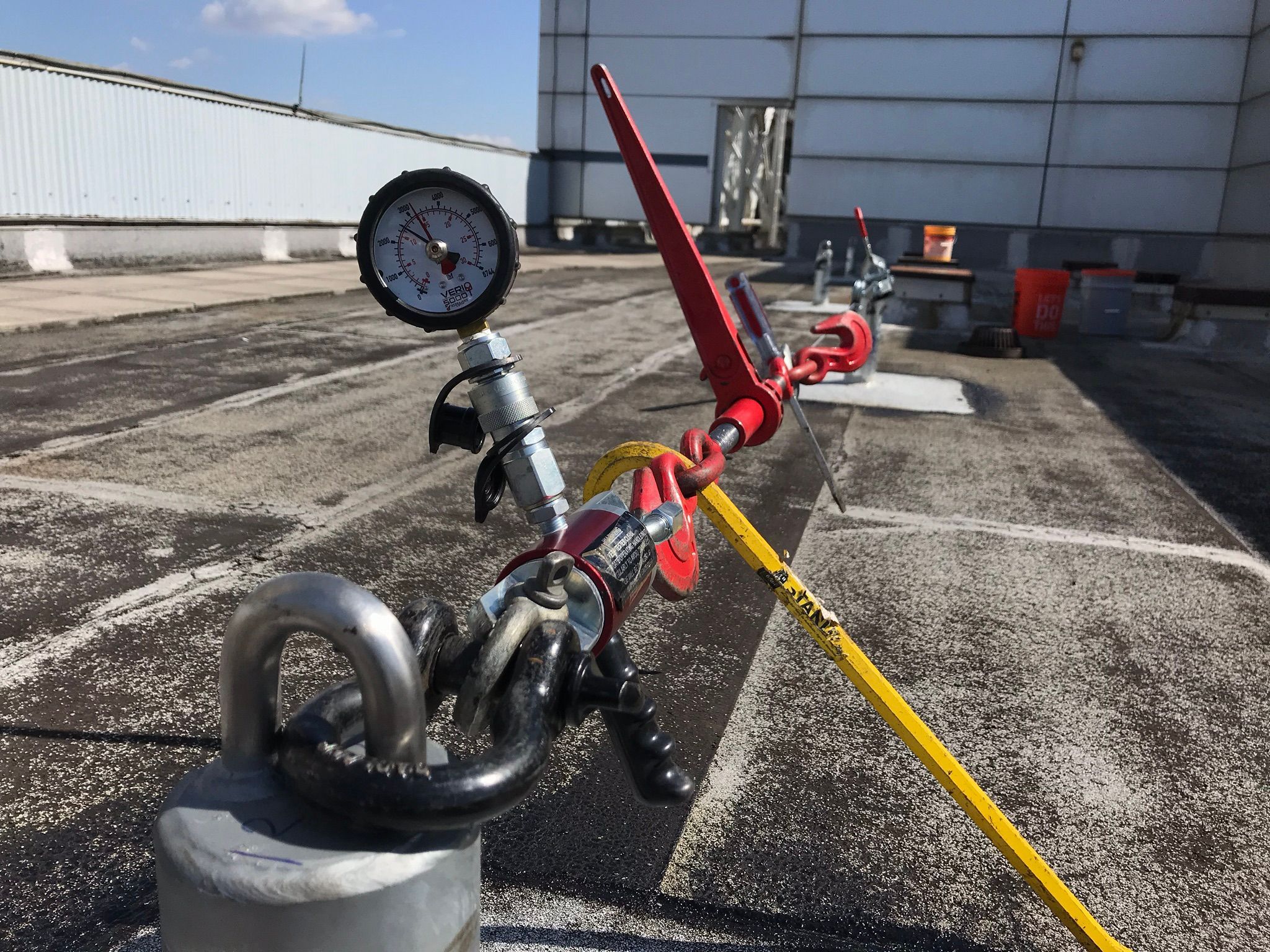
For rope descent systems, OSHA 1910.27 establishes specific building-owner responsibilities involving anchorage inspection, testing, certification, and written information provided to employers using those systems.
A worker’s training does not replace the need for suitable equipment or properly evaluated anchorage.
When building owners and contractors coordinate these responsibilities before work begins, they can reduce delays, improve safety planning, and identify missing documentation before it becomes a problem.
Important things to know, review more articles OSHAs
OSHA’s – 1910.22 General Requirements
OSHA Recognized 3-Levels of Skill- Work at Height
Important Definitions per OSHA
OSHA’s – 1910.140 Personal Fall Protection Systems
OSHA’s – 1910.29 Fall Protection Systems & Falling Object Protection- Criteria and Practices
OSHA’s – 1910.28 Duty to have Fall Protection & Protection from Falling Objects
OSHA’s – 1910.30 Training Requirements
OSHA’s – 1910.23 Ladders- Fixed and Portable
Check our anchoring services
Frequently Asked Questions:
Who is responsible for OSHA 1910.30 training?
Employers are responsible for ensuring that employees receive the training required by OSHA 1910.30. Applicable training must be provided by a qualified person.
How often is OSHA 1910.30 retraining required?
The standard requires retraining when an employer has reason to believe an employee lacks the understanding or skills required. Changes in workplace conditions, fall protection equipment, or demonstrated employee knowledge can trigger retraining.
Does Your Building Have the Right Fall Protection Systems?
Training protects workers, but suitable anchorage and fall protection equipment are also essential.
Shine On Anchors helps commercial property managers and building owners nationwide with roof anchor inspections, certification, load testing, and fall protection systems.
Contact Shine On Anchors
Phone: (773) 227-4522
Email: anchors@shineongroup.com